
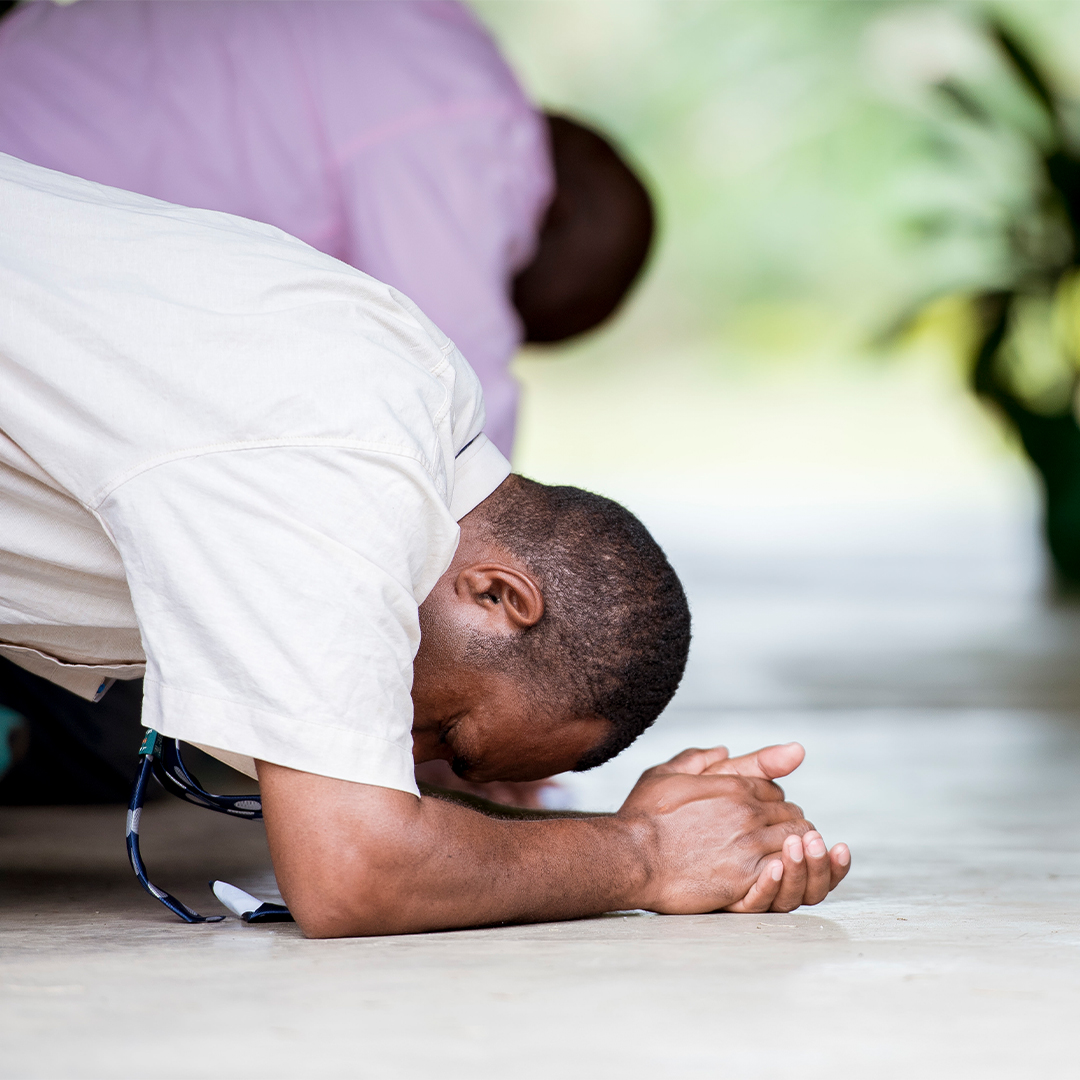

Confession is the formal statement admitting that one is guilty of a crime.0 In the case of us sinners, we are guilty of whatever sin we’ve committed against God. He knows all the details of our sins but it is still important for us to confess our sins to Him. We have learned of the dreadful nature of sin and why we need a savior for us to be made right with God. 1 Acknowledging our sins, we need to confess them to the only person who knows our infirmities. (Hebrews 4:15) Jesus knows our life’s struggles, challenges, and temptations. Only He has the divine power to forgive our sins and transform us into His likeness. (Psalms 139:3-4)
When we confess our sins we acknowledge our sinfulness to whom all things are naked and open and to whom we must give account. (Hebrews 4:13)
Confession is related to repentance.2 While confessing we are admitting our sins and while repenting we are choosing to change our actions and lifestyle. We need not only acknowledge our sins and confess them, but we also need to turn away from them.
Here are some important points to note while confessing.
1: Confess your Sins to God and faults to those you have offended.
After his sin with Bethsheba and murdering Uriah, David in his repentance prayer opened up his heart to God and stated; Against You, You only, have I sinned, And done this evil in Your sight— That You may be found just when You speak, And blameless when You judge. (Psalms 51:4)
Sin is the transgression of God’s law and therefore we only sin against God. We should, therefore, confess our sins to God who alone can forgive them, and at the same time confess our faults one to another. (James 5:16)
If you have given offense to your friend or neighbor, you are to acknowledge your wrong, and it is his duty freely to forgive you. Then you are to seek the forgiveness of God, because the brother you have wounded is the property of God, and in injuring him you sinned against his Creator and Redeemer.
Steps To Christ
2: Call out sin by name
In the days of Samuel, the Israelites wandered from God. They were suffering the consequences of sin; for they had lost their faith in God, lost their discernment of His power and wisdom to rule the nation, and lost their confidence in His ability to defend and vindicate His cause. They turned from the great Ruler of the universe and desired to be governed as were the nations around them. Before they found peace they made this definite confession: “We have added unto all our sins this evil, to ask us a king.” 1 Samuel 12:19. The very sin of which they were convicted had to be confessed. We ought to do the same during our confession.
3: Have genuine sorrow for sin
The Psalmist says; The sacrifices of God are a broken spirit, A broken and a contrite heart— These, O God, You will not despise. (Psalms 51:17)
We need to humble ourselves as we approach the throne of mercy. We need to see sin for what it is; that it took Jesus to the cross. Talking of Judas’ confession after betraying Jesus, E. G. White notes that. ‘The confession was forced from his guilty soul by an awful sense of condemnation and a fearful looking for judgment. The consequences that were to result to him filled him with terror but there was no deep, heartbreaking grief in his soul, that he has betrayed the spotless son of God and denied the Holy One of Israel.’ (Desire of Ages)
4: Own up to your sins and not throw blame.
Adam and Eve after sinning thought of perfect excuses that would help them escape the penalty for sin which is death. Adam put blame on both God and his wife (Genesis 3:12) and Eve put the blame on the serpent. (Genesis 3:13) We need to bear our own guilt and acknowledge our sinfulness, just like the tax collector standing afar would not so much as raise his eyes to heaven. But he hit himself on the chest and said, ‘God, have pity on me, for I am a sinner” (Luke 18:13)
5: Acknowledge that you have sinned
I acknowledged my sin to You, And my iniquity I have not hidden. I said, “I will confess my transgressions to the Lord,” And You forgave the iniquity of my sin. (Psalms 32:5)
Paul did not seek to shield himself; he paints his sin in its darkest hue, not attempting to lessen his guilt. He says, “Many of the saints did I shut up in prison, having received authority from the chief priests; and when they were put to death, I gave my voice against them. And I punished them oft in every synagogue, and compelled them to blaspheme; and being exceedingly mad against them, I persecuted them even unto strange cities.” (Acts 26:10, 11) He does not hesitate to declare that “Christ Jesus came into the world to save sinners; of whom I am chief.” (1 Timothy 1:15)
The conditions for obtaining the mercy of God are simple and just and reasonable. The Lord does not require us to do some grievous thing in order that we may have the forgiveness of sin. We need not make long and wearisome pilgrimages, or perform painful penances, to commend our souls to the God of heaven or to expiate our transgression; but he that confesseth and forsaketh his sin shall have mercy.
Now may the God of hope fill you with all joy and peace in believing, that you may abound in hope by the power of the Holy Spirit. (Romans 15:13)


